Idioms and Phrases with Pictures: Visual Shortcuts for Everyday English
Ever heard someone say “break the ice” and wonder why a cold greeting matters? Idioms and phrases with pictures give you a visual cue that turns mystery into meaning, especially for everyday speakers who learn by seeing. When a quirky expression is paired with a simple illustration, the brain links the literal image to the figurative meaning, making it easier to remember and use in conversation. This visual approach works for native speakers and language learners alike, turning abstract slang into something you can picture and instantly recognize.
Why a picture cuts through idiom confusion
Many idioms sound odd when taken word‑for‑word. A picture supplies the literal anchor that bridges the gap between the strange phrase and its true sense. Imagine a cartoon of a bucket spilling over — this instantly signals “spill the beans,” reminding you that the expression means revealing a secret. Visuals also convey tone, humor, and the type of situation where the idiom fits, which is especially helpful for non‑native speakers. In short, a single image can replace a lengthy explanation, speeding up comprehension and building confidence when you speak.
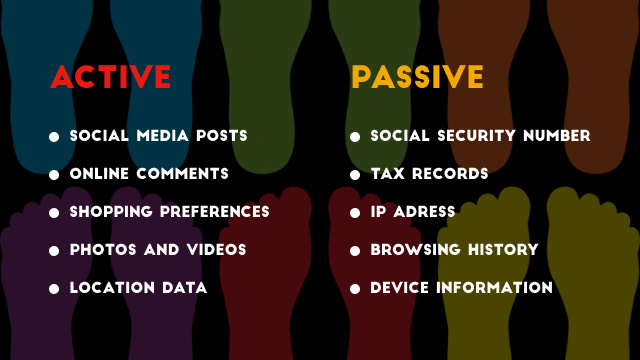
Visual example: digital footprint as a metaphor for idioms and phrases with pictures
The snapshot above shows a trail of tiny icons that together form a footprint. Each icon stands for a different idiom, just as each step in a footprint records where someone has walked online. Looking at the picture makes it clear how a single illustration can represent an entire collection of expressions, reinforcing the concept of idioms and phrases with pictures as visual shortcuts that convey meaning at a glance. The metaphor ties the idea of leaving traces online to leaving traces of language in everyday talk.
Idioms that shine when drawn
Some idioms become much clearer when you attach a quick sketch to them. Below are a few common examples that benefit from a visual cue. Try to picture the scene yourself; the mental image will stick far longer than the words alone.
- Hit the sack – imagine someone sliding into a cozy bed, signaling that they are about to go to sleep.
- Cold turkey – picture a person holding a frozen bird, representing the sudden, unfiltered way something is said.
- Bark up the wrong tree – sketch a dog aiming at the wrong trunk, illustrating the idea of pursuing a mistaken course.
When you pair each phrase with a simple drawing, recalling its meaning becomes almost automatic, and you’ll find yourself using the expressions naturally in conversation.
Building your own picture‑based idiom cheat sheet
Creating a personal guide is simple and rewarding. Follow these steps to turn abstract slang into concrete visuals that you can review anytime:
- Pick an idiom you want to master, such as “kick the bucket.”
- Sketch a simple scene that captures its literal sense; perhaps draw someone pretending to kick a bucket.
- Label the picture with the phrase and its meaning — “kick the bucket = die.”
- Review daily until the image pops up automatically in your mind.
Over time, your collection becomes a go‑to reference that transforms confusing slang into visual shortcuts you can use confidently in everyday conversation. Whether you’re preparing a presentation, writing a story, or just chatting with friends, having a visual cue for each idiom makes the language feel more approachable and fun.
Ever heard someone say “break the ice” and wonder why a cold greeting matters? Idioms and phrases with pictures give you a visual cue that turns mystery into meaning, especially for everyday speakers who learn by seeing. When a quirky expression is paired with a simple illustration, the brain links the literal image to the figurative meaning, making it easier to remember and use in conversation. This visual approach works for native speakers and language learners alike, turning abstract slang into something you can picture and instantly recognize.
Why a picture cuts through idiom confusion
Many idioms sound odd when taken word‑for‑word. A picture supplies the literal anchor that bridges the gap between the strange phrase and its true sense. Imagine a cartoon of a bucket spilling over — this instantly signals “spill the beans,” reminding you that the expression means revealing a secret. Visuals also convey tone, humor, and the type of situation where the idiom fits, which is especially helpful for non‑native speakers. In short, a single image can replace a lengthy explanation, speeding up comprehension and building confidence when you speak.
Visual example: digital footprint as a metaphor for idioms and phrases with pictures
The snapshot above shows a trail of tiny icons that together form a footprint. Each icon stands for a different idiom, just as each step in a footprint records where someone has walked online. Looking at the picture makes it clear how a single illustration can represent an entire collection of expressions, reinforcing the concept of idioms and phrases with pictures as visual shortcuts that convey meaning at a glance. The metaphor ties the idea of leaving traces online to leaving traces of language in everyday talk.
Idioms that shine when drawn
Some idioms become much clearer when you attach a quick sketch to them. Below are a few common examples that benefit from a visual cue. Try to picture the scene yourself; the mental image will stick far longer than the words alone.
- Hit the sack – imagine someone sliding into a cozy bed, signaling that they are about to go to sleep.
- Cold turkey – picture a person holding a frozen bird, representing the sudden, unfiltered way something is said.
- Bark up the wrong tree – sketch a dog aiming at the wrong trunk, illustrating the idea of pursuing a mistaken course.
When you pair each phrase with a simple drawing, recalling its meaning becomes almost automatic, and you’ll find yourself using the expressions naturally in conversation.
Building your own picture‑based idiom cheat sheet
Creating a personal guide is simple and rewarding. Follow these steps to turn abstract slang into concrete visuals that you can review anytime:
- Pick an idiom you want to master, such as “kick the bucket.”
- Sketch a simple scene that captures its literal sense; perhaps draw someone pretending to kick a bucket.
- Label the picture with the phrase and its meaning — “kick the bucket = die.”
- Review daily until the image pops up automatically in your mind.
Over time, your collection becomes a go‑to reference that transforms confusing slang into visual shortcuts you can use confidently in everyday conversation. Whether you’re preparing a presentation, writing a story, or just chatting with friends, having a visual cue for each idiom makes the language feel more approachable and fun.
What Is A Digital Footprint? And How To Protect It From Hackers - Blog
What is a digital footprint? And how to protect it from hackers - blog ...