
Mastering All Idioms and Phrases: A Practical Guide for Everyday Use
Idioms and phrases pepper everyday conversation, turning ordinary statements into vivid, memorable expressions. Knowing when and how to deploy them can smooth social interactions, sharpen writing, and even boost confidence at work or school. This guide walks you through common scenarios, offering clear examples and quick decision points so you can choose the right idiom at the right moment.
Choosing the Right Idiom for a Casual Conversation
When chatting with friends, the goal is to sound relaxed yet expressive. Phrases like “hit the road,” “spill the beans,” or “break the ice” convey meaning in a single, relatable bundle. Before you speak, ask: Is the tone informal? Is the listener familiar with the expression? If the answer is yes, drop the idiom; if not, opt for a plain description.
Boosting Professional Communication with Strategic Phrases
In meetings or emails, idioms can add punch without sacrificing clarity. For instance, “let’s get the ball rolling” signals a start, while “touch base” indicates a brief follow‑up. Use them sparingly—one or two per conversation—to avoid sounding cliché. Pair each idiom with a concrete action: “We’ll touch base tomorrow after the budget review.”
When a Phrase Sounds Like a Song: Using Vinyl Metaphors
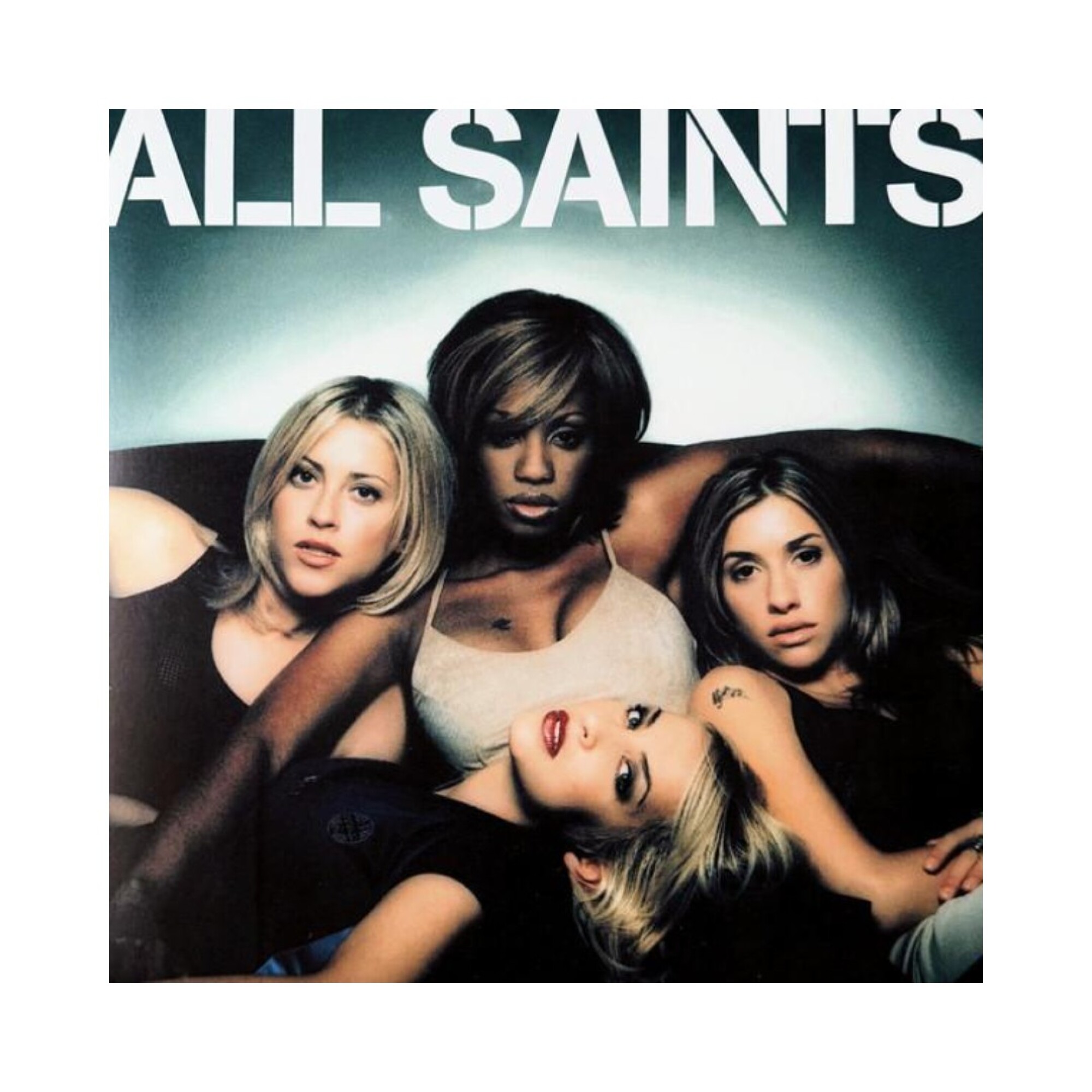
Music and language share timing and rhythm. Describing a situation with a phrase such as “in perfect harmony” or “off the beat” instantly paints a sonic picture. If you’re explaining a team’s coordination, compare it to a well‑mixed record—everyone’s part fits without clashing. The vinyl image reinforces the idea that a good idiom, like a good track, should be crisp, balanced, and on point.
Visual Impact: Adding Graphic Flair to Your Word Play
Bold visuals can amplify a phrase’s effect. The All Might illustration, with its “Plus Ultra” motto, mirrors idioms that push beyond the ordinary—think “go the extra mile” or “raise the bar.” When you want to motivate a group, pair the idiom with a striking graphic; the combined cue makes the message stick longer in the audience’s mind.
Avoiding Missteps: When an Idiom Doesn’t Fit
Even seasoned speakers trip over inappropriate idioms. Keep these checkpoints in mind: 1) Cultural relevance—some sayings don’t translate well across regions. 2) Audience familiarity—avoid niche slang with older listeners. 3) Context clarity—if the phrase could be misread, replace it with a straightforward clause. A quick mental “does it add value?” filter saves embarrassment.
Putting It All Together: A Quick Decision Tree
- Identify the setting: casual, professional, or creative.
- Match tone: informal idioms for friends, measured phrases for work.
- Check audience familiarity.
- Choose a supporting visual if the medium allows.
- Test the sentence: does it illuminate the point or obscure it?
By following this simple flow, you’ll weave “all idioms and phrases” into everyday speech with confidence, turning routine dialogue into engaging storytelling.
Idioms and phrases pepper everyday conversation, turning ordinary statements into vivid, memorable expressions. Knowing when and how to deploy them can smooth social interactions, sharpen writing, and even boost confidence at work or school. This guide walks you through common scenarios, offering clear examples and quick decision points so you can choose the right idiom at the right moment.
Choosing the Right Idiom for a Casual Conversation
When chatting with friends, the goal is to sound relaxed yet expressive. Phrases like “hit the road,” “spill the beans,” or “break the ice” convey meaning in a single, relatable bundle. Before you speak, ask: Is the tone informal? Is the listener familiar with the expression? If the answer is yes, drop the idiom; if not, opt for a plain description.
Boosting Professional Communication with Strategic Phrases
In meetings or emails, idioms can add punch without sacrificing clarity. For instance, “let’s get the ball rolling” signals a start, while “touch base” indicates a brief follow‑up. Use them sparingly—one or two per conversation—to avoid sounding cliché. Pair each idiom with a concrete action: “We’ll touch base tomorrow after the budget review.”
When a Phrase Sounds Like a Song: Using Vinyl Metaphors
Music and language share timing and rhythm. Describing a situation with a phrase such as “in perfect harmony” or “off the beat” instantly paints a sonic picture. If you’re explaining a team’s coordination, compare it to a well‑mixed record—everyone’s part fits without clashing. The vinyl image reinforces the idea that a good idiom, like a good track, should be crisp, balanced, and on point.
Visual Impact: Adding Graphic Flair to Your Word Play
Bold visuals can amplify a phrase’s effect. The All Might illustration, with its “Plus Ultra” motto, mirrors idioms that push beyond the ordinary—think “go the extra mile” or “raise the bar.” When you want to motivate a group, pair the idiom with a striking graphic; the combined cue makes the message stick longer in the audience’s mind.
Avoiding Missteps: When an Idiom Doesn’t Fit
Even seasoned speakers trip over inappropriate idioms. Keep these checkpoints in mind: 1) Cultural relevance—some sayings don’t translate well across regions. 2) Audience familiarity—avoid niche slang with older listeners. 3) Context clarity—if the phrase could be misread, replace it with a straightforward clause. A quick mental “does it add value?” filter saves embarrassment.
Putting It All Together: A Quick Decision Tree
- Identify the setting: casual, professional, or creative.
- Match tone: informal idioms for friends, measured phrases for work.
- Check audience familiarity.
- Choose a supporting visual if the medium allows.
- Test the sentence: does it illuminate the point or obscure it?
By following this simple flow, you’ll weave “all idioms and phrases” into everyday speech with confidence, turning routine dialogue into engaging storytelling.
MY HERO ACADEMIA - ALL MIGHT FIGURE

MY HERO ACADEMIA - ALL MIGHT FIGURE
All About Me Printable Preschool: Enhance Learning And Creativity

All About Me Printable Preschool: Enhance Learning and Creativity ...
All About Me – My Colorful World By SaWasDee Krub | TPT

All About Me – My Colorful World by SaWasDee Krub | TPT