Mastering Your List of All Idioms and Phrases: Practical Uses and Selection Tips
Whether you’re drafting marketing copy, polishing a presentation, or simply looking to sound more native, having a list of all idioms and phrases at your fingertips can turn ordinary language into memorable communication. Below we explore real‑world scenarios where idioms add value, how to choose the right ones, and tools that help you organize them efficiently.
Turn Everyday Tasks into Visual Checklists
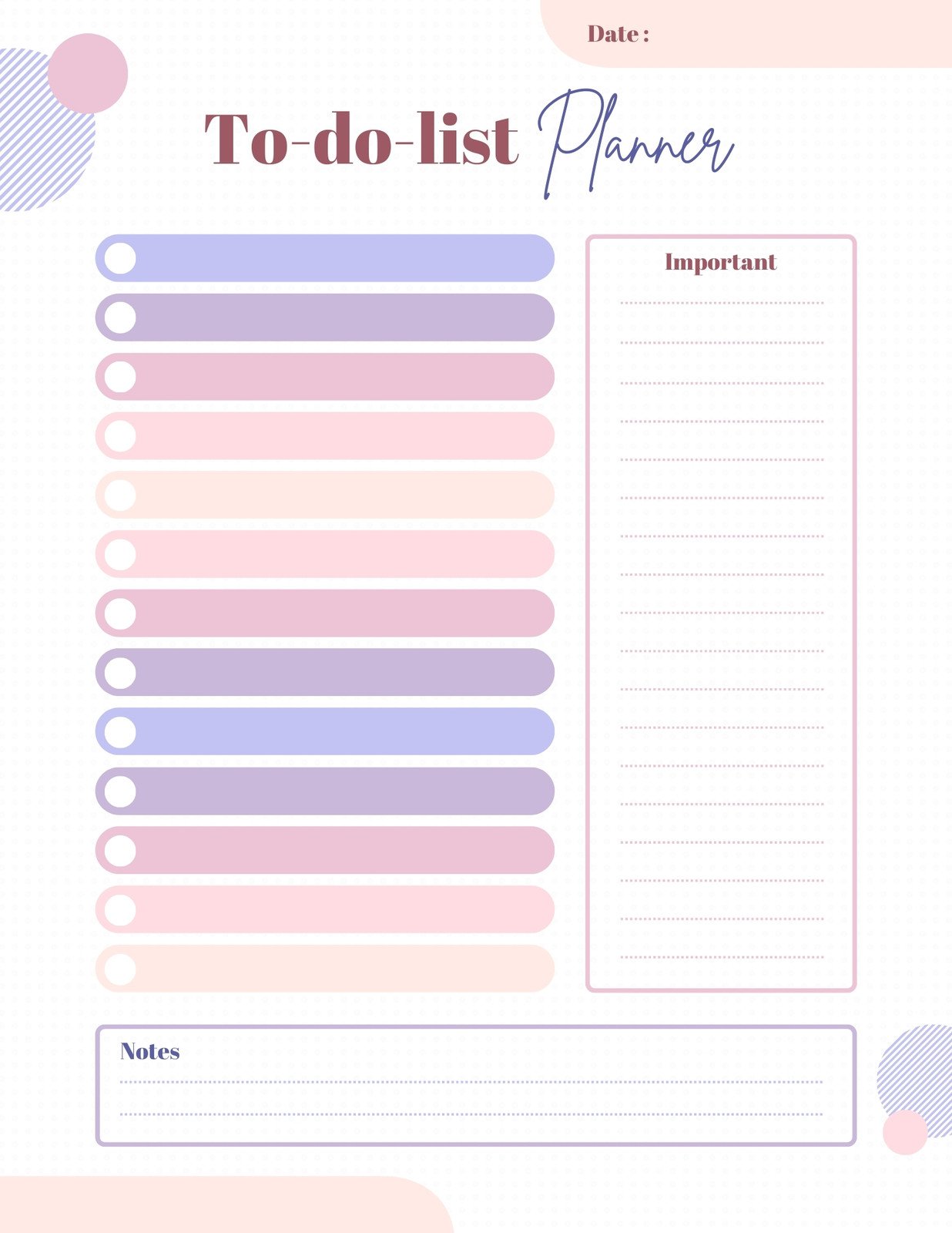
Visual planners make it simple to embed idioms into daily workflows. By labeling a “Morning Sprint” block with “hit the ground running,” you remind yourself to start the day energetically. Similarly, a “Risk Review” column labeled “cross that bridge when we come to it” signals that some concerns can wait. The structured layout not only tracks tasks but also reinforces the idiom’s meaning through repetition.
Curate a Vendor Communication Library
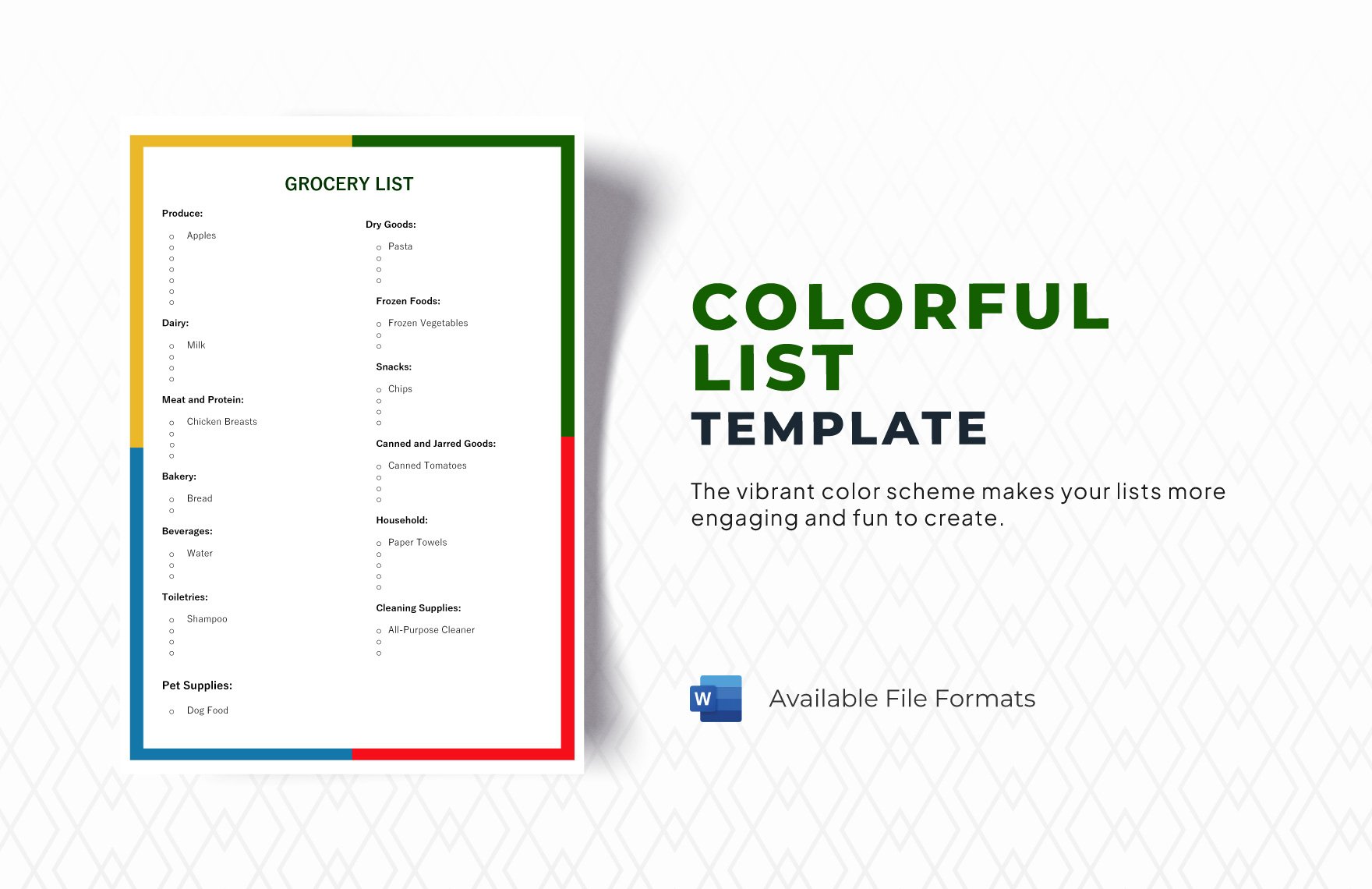
Negotiations often hinge on tone. A dedicated vendor list template lets you assign idioms to each interaction stage—“seal the deal” for final agreements, “go the extra mile” for after‑sales support. By pairing contacts with context‑appropriate phrases, you reduce the mental load of hunting for the right expression and maintain consistency across emails, proposals, and calls.
Select Idioms That Match Your Audience
Not every idiom resonates with every demographic. Consider these criteria:
- Relevance: Choose phrases that align with the industry (e.g., “move the needle” for tech startups).
- Clarity: Avoid idioms that might confuse non‑native speakers; “break the ice” is clearer than “take the bull by the horns” for some audiences.
- Tone: Formal reports prefer subdued idioms (“in light of recent developments”) versus informal blogs that can sprinkle “hit the nail on the head.”
Integrate Idioms Into Content Creation Workflows
When drafting blog posts or newsletters, start with a master spreadsheet of idioms, categorize them by theme (time, finance, emotion), and tag each with a usage note. During the edit phase, scan for “overused” tags and replace them with fresher alternatives. This systematic approach keeps language fresh while ensuring you never run out of expressive options.
Test Idiom Effectiveness Before Publishing
Run A/B tests on emails or ad copy: one version uses a traditional phrase (“as soon as possible”), the other swaps in an idiom (“at the drop of a hat”). Track open rates, click‑throughs, and conversion metrics. Data‑driven results reveal which idioms truly boost engagement and which may be lost in translation.
Whether you’re drafting marketing copy, polishing a presentation, or simply looking to sound more native, having a list of all idioms and phrases at your fingertips can turn ordinary language into memorable communication. Below we explore real‑world scenarios where idioms add value, how to choose the right ones, and tools that help you organize them efficiently.
Turn Everyday Tasks into Visual Checklists
Visual planners make it simple to embed idioms into daily workflows. By labeling a “Morning Sprint” block with “hit the ground running,” you remind yourself to start the day energetically. Similarly, a “Risk Review” column labeled “cross that bridge when we come to it” signals that some concerns can wait. The structured layout not only tracks tasks but also reinforces the idiom’s meaning through repetition.
Curate a Vendor Communication Library
Negotiations often hinge on tone. A dedicated vendor list template lets you assign idioms to each interaction stage—“seal the deal” for final agreements, “go the extra mile” for after‑sales support. By pairing contacts with context‑appropriate phrases, you reduce the mental load of hunting for the right expression and maintain consistency across emails, proposals, and calls.
Select Idioms That Match Your Audience
Not every idiom resonates with every demographic. Consider these criteria:
- Relevance: Choose phrases that align with the industry (e.g., “move the needle” for tech startups).
- Clarity: Avoid idioms that might confuse non‑native speakers; “break the ice” is clearer than “take the bull by the horns” for some audiences.
- Tone: Formal reports prefer subdued idioms (“in light of recent developments”) versus informal blogs that can sprinkle “hit the nail on the head.”
Integrate Idioms Into Content Creation Workflows
When drafting blog posts or newsletters, start with a master spreadsheet of idioms, categorize them by theme (time, finance, emotion), and tag each with a usage note. During the edit phase, scan for “overused” tags and replace them with fresher alternatives. This systematic approach keeps language fresh while ensuring you never run out of expressive options.
Test Idiom Effectiveness Before Publishing
Run A/B tests on emails or ad copy: one version uses a traditional phrase (“as soon as possible”), the other swaps in an idiom (“at the drop of a hat”). Track open rates, click‑throughs, and conversion metrics. Data‑driven results reveal which idioms truly boost engagement and which may be lost in translation.
Free Ingredients List Template To Edit Online
Free Ingredients List Template to Edit Online
Client List Template In Excel, Google Sheets - Download | Template.net
Client List Template in Excel, Google Sheets - Download | Template.net
Daily To Do List Printable Pdf At Dylan Schmella Blog
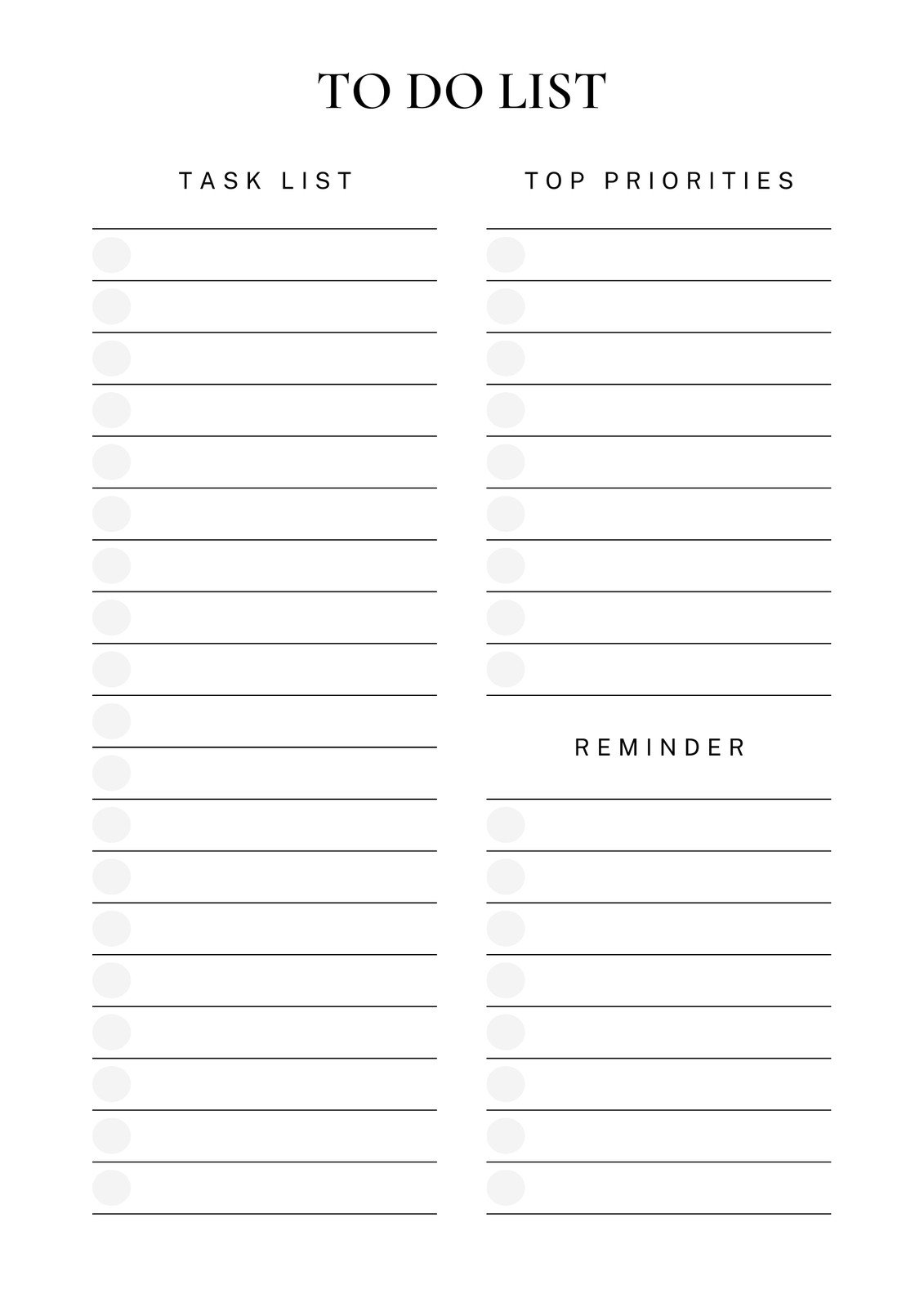
Daily To Do List Printable Pdf at Dylan Schmella blog