List of Idioms and Meanings: Common Mistakes and Smarter Alternatives
If you’re just starting to explore idiomatic expressions, the first step is often to gather them in a single, easy‑to‑read list. A clear list of idioms and meanings gives you a roadmap for memorizing, practicing, and using these colorful phrases in everyday conversation. Below you’ll discover practical ways to spot errors, craft better examples, and keep your growing collection organized for long‑term retention.
Spot Common Mistakes in Idiom Lists
Begin by scanning any list you’ve compiled and look for three typical slip‑ups: mixing up similar idioms, omitting the literal translation, and using outdated example sentences. When a definition feels vague, replace it with a concrete explanation that shows how native speakers actually employ the expression, perhaps citing a recent conversation or a popular TV show. Correcting these issues transforms a chaotic sheet into a trustworthy reference that you can consult confidently during conversations or writing tasks, and it also helps you spot patterns across different categories of idioms.
Write Clear, Context‑Rich Example Sentences
An idiom’s meaning truly clicks when you attach it to a short, relatable scenario that mirrors the situation you care about — whether it’s making small talk at a coffee shop, negotiating a deadline at work, or posting on social media. Craft a sentence that includes the idiom in context, using everyday language that a native speaker would use, and then pause to consider how the phrase adds color or emphasis. This technique not only reinforces the meaning but also demonstrates how the idiom fits naturally into everyday dialogue, making it easier to recall later.
Organize Your Idiom Collection with a Simple Planner
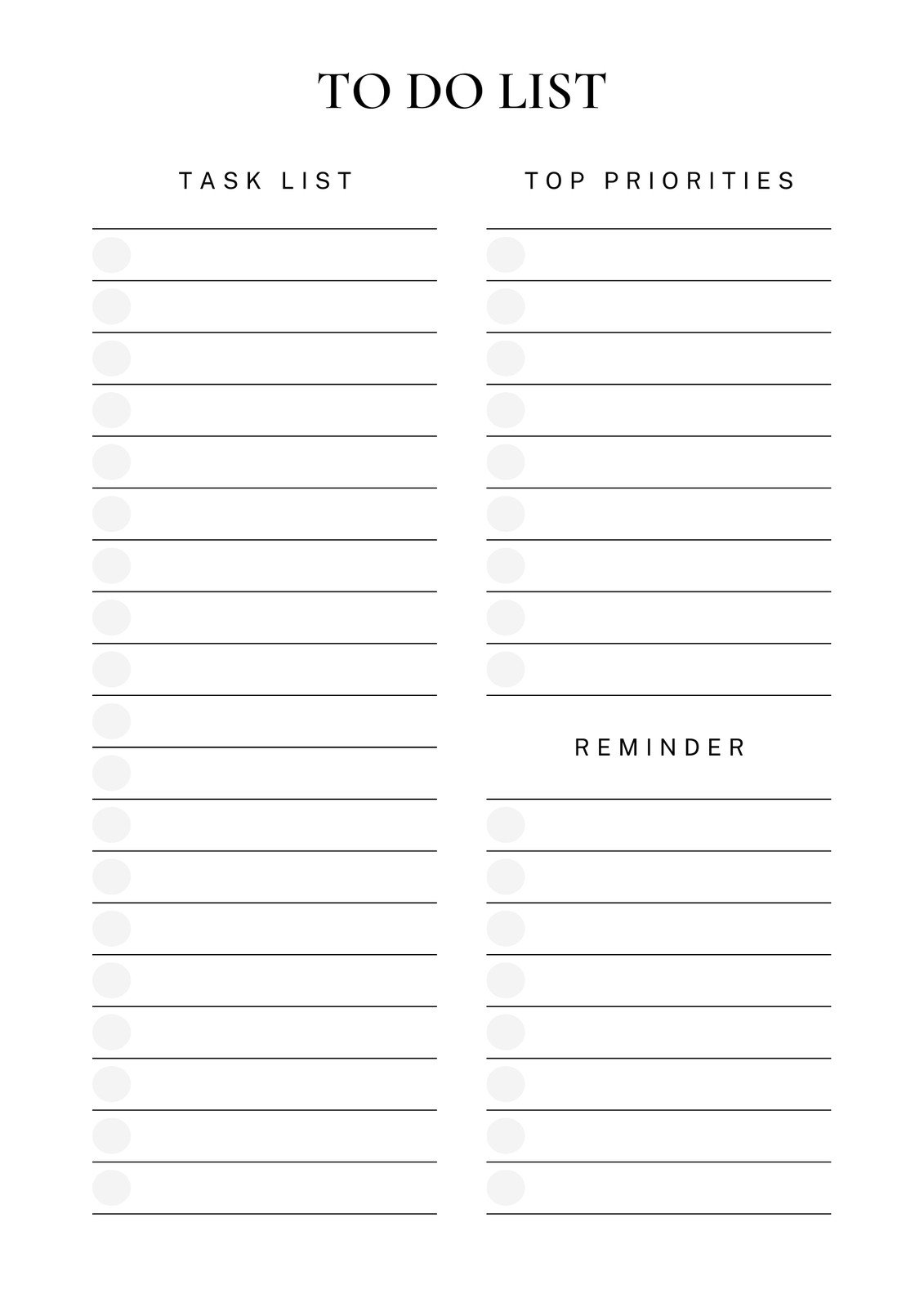
Once you’ve refined definitions and examples, the next step is to store them where you can track progress and monitor retention. A minimalist planner layout lets you add new entries, mark mastered idioms, and schedule spaced‑repetition review sessions. By updating the planner regularly — perhaps after each conversation you have — you turn passive reading into active study, ensuring each phrase stays fresh and relevant in your mental toolbox, and you’ll notice improvement in both comprehension and spontaneous usage.
Check Regional Variations and Usage Levels
Some idioms shift meaning across borders; a phrase that feels natural in the United Kingdom may sound odd in the United States, and even within a single country regional dialects can add surprising variations. Take a moment to research regional nuances, especially for idioms that reference cultural customs, historical events, or local humor. Adjusting your list for local usage prevents misunderstandings and makes your communication smoother with native speakers, while also showing respect for the linguistic subtleties of each community.
Use Trusted Sources for Accurate Meanings
Finally, verify each entry using reputable dictionaries, language forums, and native‑speaker communities. Cross‑checking multiple sources catches errors that a single reference might miss, giving you a more accurate picture of nuance, connotation, and appropriate context. Over time, this habit builds a solid foundation of confidence, allowing you to employ idioms without hesitation, and it also encourages you to stay curious about newer expressions as they emerge in contemporary media and informal conversation.
If you’re just starting to explore idiomatic expressions, the first step is often to gather them in a single, easy‑to‑read list. A clear list of idioms and meanings gives you a roadmap for memorizing, practicing, and using these colorful phrases in everyday conversation. Below you’ll discover practical ways to spot errors, craft better examples, and keep your growing collection organized for long‑term retention.
Spot Common Mistakes in Idiom Lists
Begin by scanning any list you’ve compiled and look for three typical slip‑ups: mixing up similar idioms, omitting the literal translation, and using outdated example sentences. When a definition feels vague, replace it with a concrete explanation that shows how native speakers actually employ the expression, perhaps citing a recent conversation or a popular TV show. Correcting these issues transforms a chaotic sheet into a trustworthy reference that you can consult confidently during conversations or writing tasks, and it also helps you spot patterns across different categories of idioms.
Write Clear, Context‑Rich Example Sentences
An idiom’s meaning truly clicks when you attach it to a short, relatable scenario that mirrors the situation you care about — whether it’s making small talk at a coffee shop, negotiating a deadline at work, or posting on social media. Craft a sentence that includes the idiom in context, using everyday language that a native speaker would use, and then pause to consider how the phrase adds color or emphasis. This technique not only reinforces the meaning but also demonstrates how the idiom fits naturally into everyday dialogue, making it easier to recall later.
Organize Your Idiom Collection with a Simple Planner
Once you’ve refined definitions and examples, the next step is to store them where you can track progress and monitor retention. A minimalist planner layout lets you add new entries, mark mastered idioms, and schedule spaced‑repetition review sessions. By updating the planner regularly — perhaps after each conversation you have — you turn passive reading into active study, ensuring each phrase stays fresh and relevant in your mental toolbox, and you’ll notice improvement in both comprehension and spontaneous usage.
Check Regional Variations and Usage Levels
Some idioms shift meaning across borders; a phrase that feels natural in the United Kingdom may sound odd in the United States, and even within a single country regional dialects can add surprising variations. Take a moment to research regional nuances, especially for idioms that reference cultural customs, historical events, or local humor. Adjusting your list for local usage prevents misunderstandings and makes your communication smoother with native speakers, while also showing respect for the linguistic subtleties of each community.
Use Trusted Sources for Accurate Meanings
Finally, verify each entry using reputable dictionaries, language forums, and native‑speaker communities. Cross‑checking multiple sources catches errors that a single reference might miss, giving you a more accurate picture of nuance, connotation, and appropriate context. Over time, this habit builds a solid foundation of confidence, allowing you to employ idioms without hesitation, and it also encourages you to stay curious about newer expressions as they emerge in contemporary media and informal conversation.
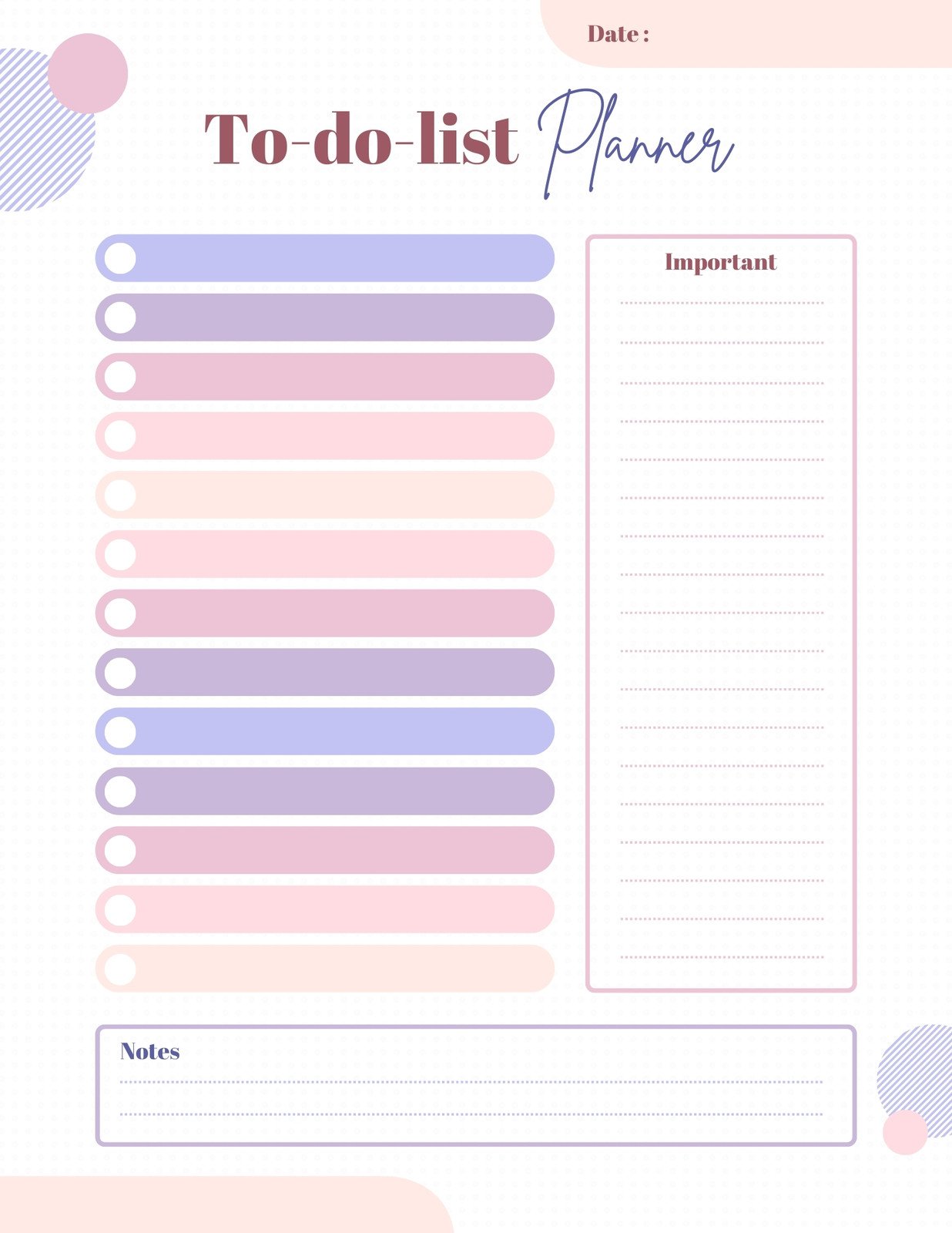
Cute To Do List Template Printable
Cute To Do List Template Printable
Client List Template In Excel, Google Sheets - Download | Template.net
Client List Template in Excel, Google Sheets - Download | Template.net
Free Ingredients List Template To Edit Online
Free Ingredients List Template to Edit Online