List of Idioms and Phrases With Meaning: How to Build, Use, and Understand Them
Learning English often feels like piecing together a puzzle, and a list of idioms and phrases with meaning can be the missing corner piece that gives your speech a native‑like twist. Rather than stumbling over literal translations, you can tap into expressions that convey emotion, humor, and cultural nuance in a single phrase. This article explains how to gather those idioms, keep them organized, enjoy the advantages of a structured approach, and stay realistic about what the collection can and cannot do for your fluency.
Why Collect Idioms and Phrases With Meaning
Idioms are more than quirky turns of phrase; they are cultural shortcuts that pack entire scenarios into a few words. When you deliberately collect them, you create a personal cheat‑sheet that speeds up recall, reduces the mental load of literal translation, and helps you sound more natural in conversation. A well‑curated list also acts as a study scaffold, allowing you to mark progress, notice thematic clusters — such as weather or business — and set review goals. Over time, this organized reference becomes a confidence booster, especially when you can drop an idiom like “hit the sack” without thinking.
How to Organize a List of Idioms and Phrases With Meaning
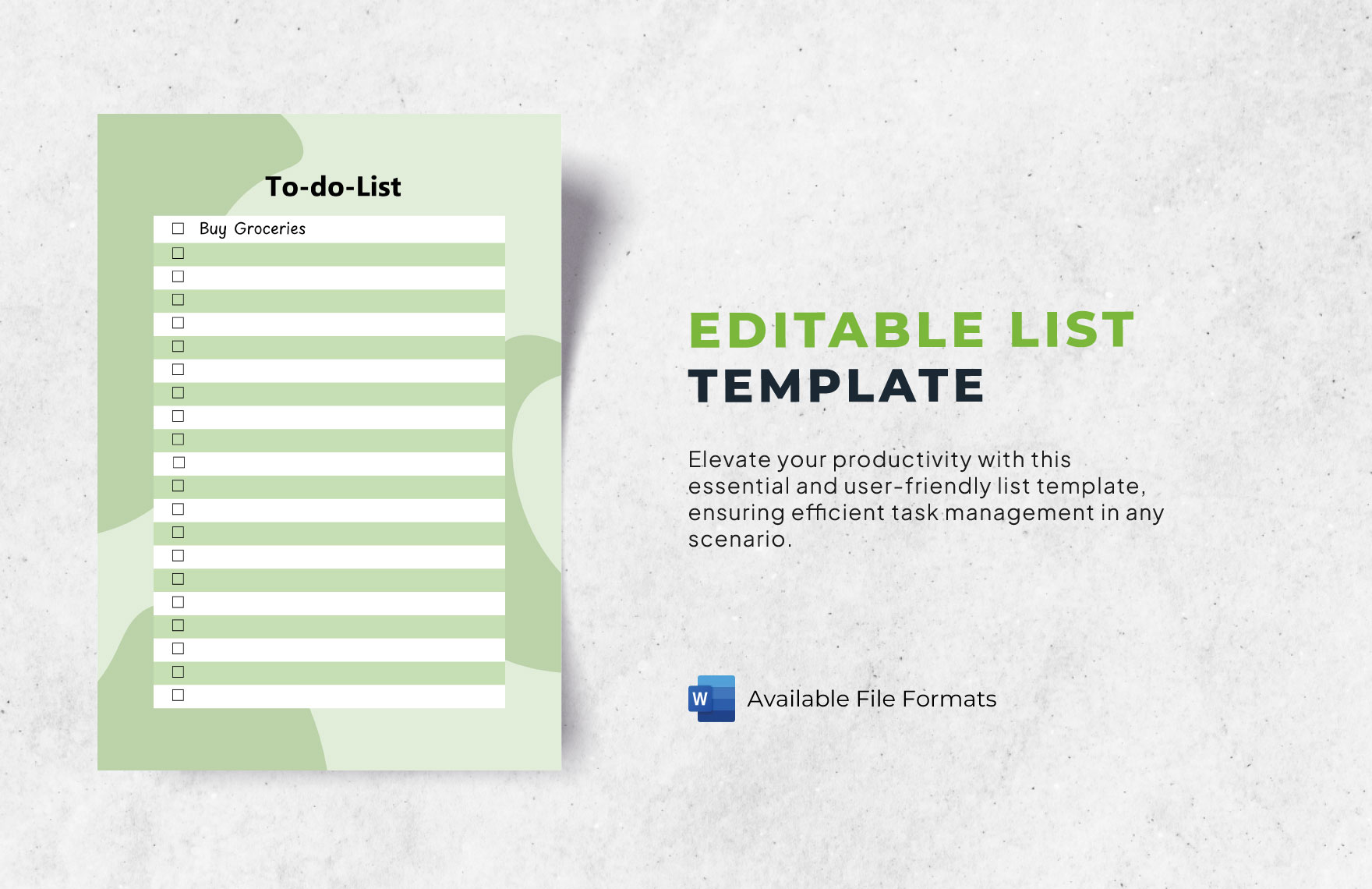
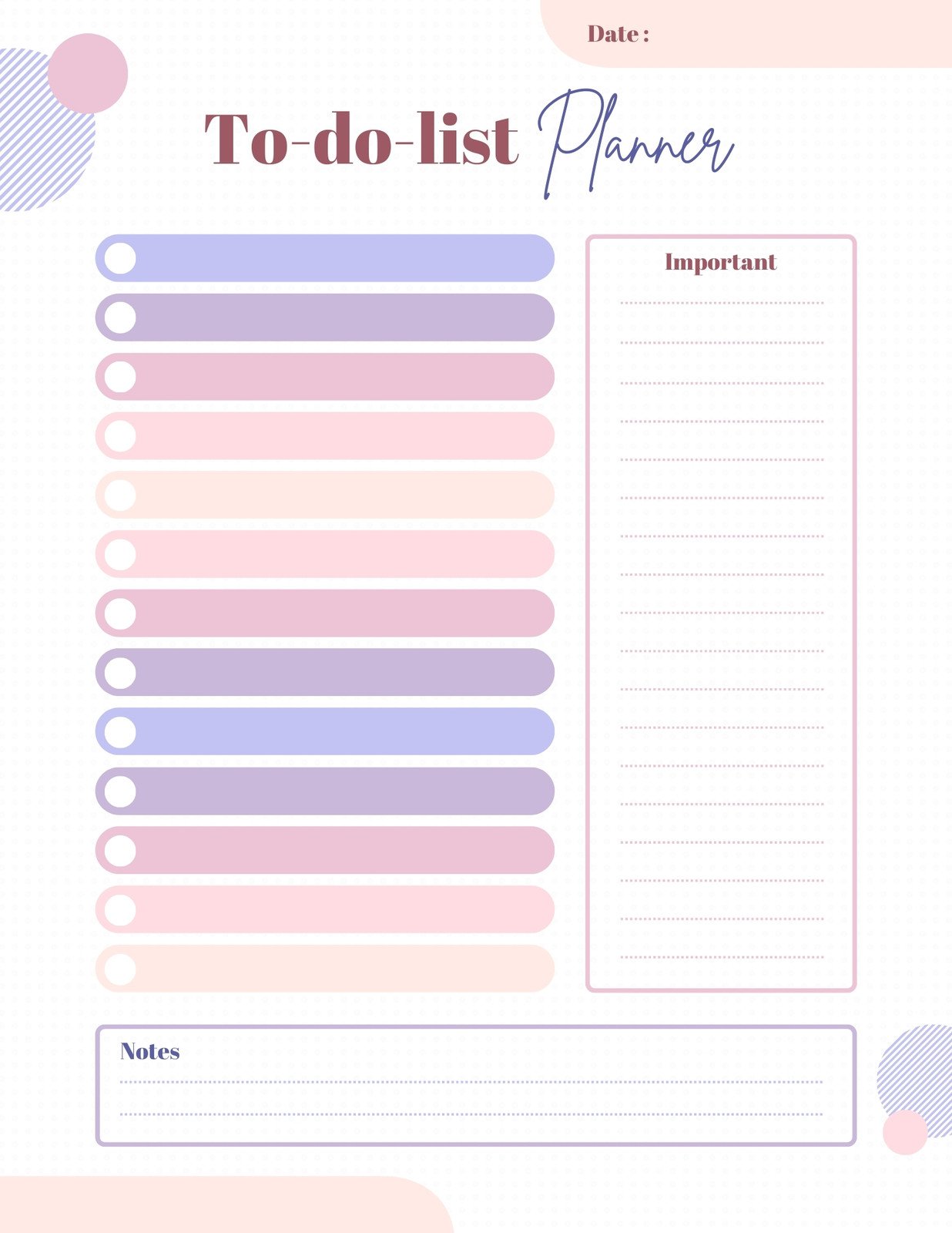
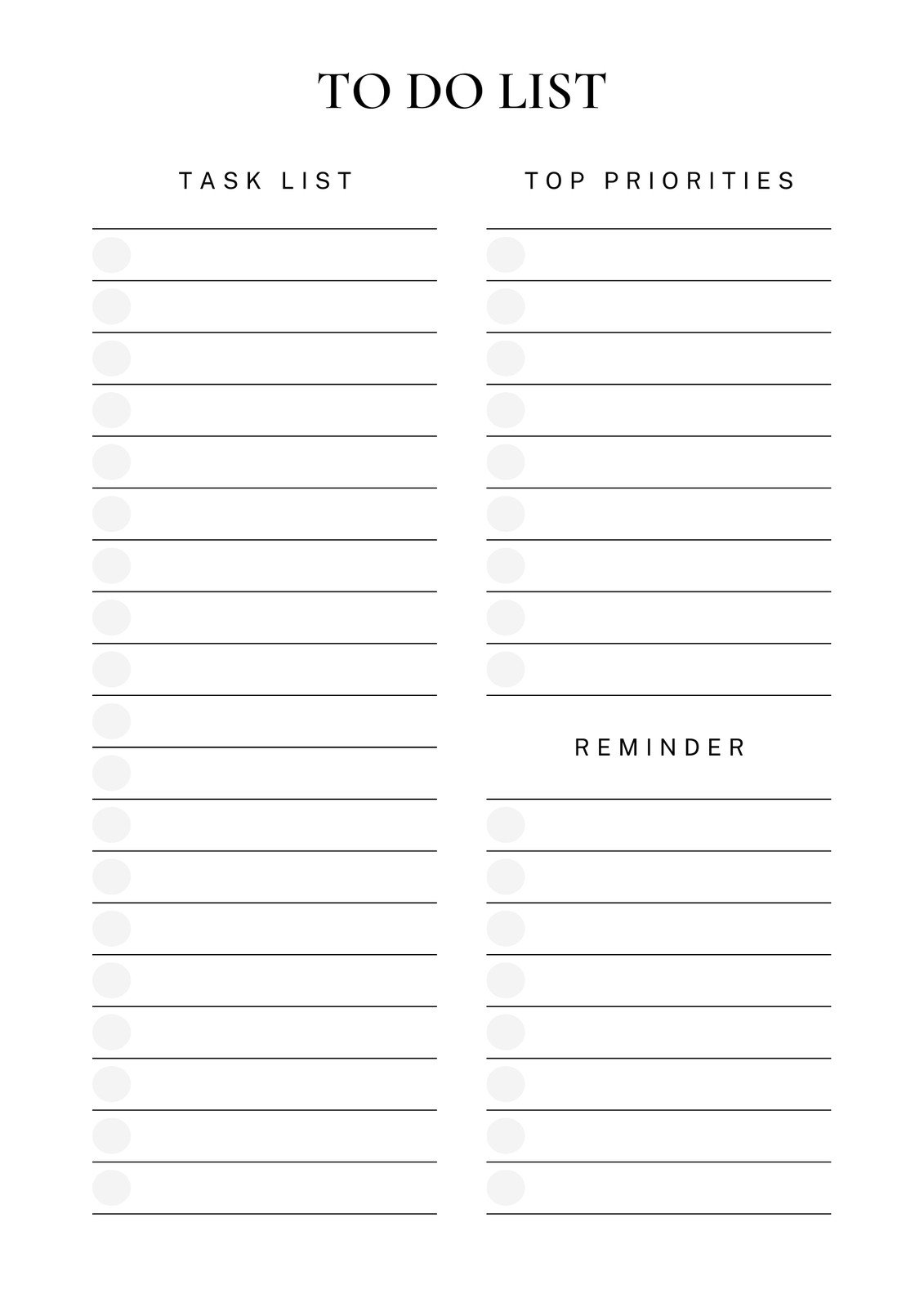
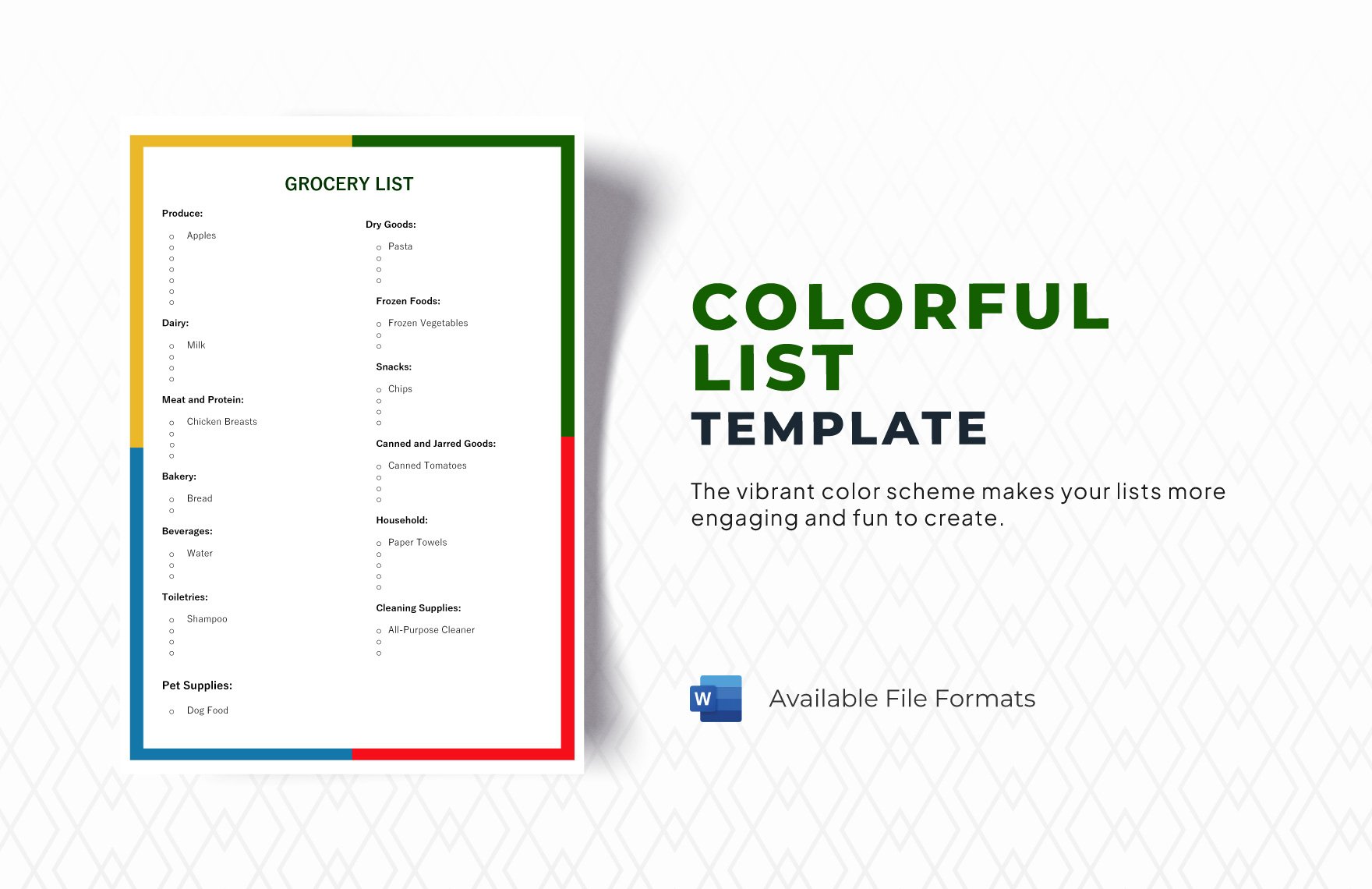
Turning a chaotic pile of expressions into a searchable database is easier than it sounds. Start by grouping idioms by theme, frequency, or difficulty, and attach a concise definition alongside a real‑world example sentence. Spreadsheet tools or printable planners let you add columns for notes, mastery status, and spaced‑repetition dates. Because the format is editable, you can expand the list as you encounter new phrases, tag them with source material, or link them to audio clips. This systematic layout transforms passive reading into active, repeatable study that fits into a busy schedule.
Pros of Using a Structured Idiom List
A structured idiom list brings several tangible benefits that go beyond mere memorization. Retrieval becomes almost automatic when you know exactly where “cost an arm and a leg” lives, saving precious mental bandwidth. The act of logging new entries reinforces active learning, turning idle moments into productive vocabulary building. Comparison tools let you dissect subtle differences — such as “pop the question” versus “ask for a hand” — sharpening nuance and preventing misuse. Moreover, a shared list can foster collaboration; study partners can contribute entries, discuss contexts, and quiz each other, turning a solitary task into a communal learning experience.
Trade‑offs and Realistic Expectations
No reference can replace real immersion, and it’s unrealistic to expect fluency solely from a PDF or spreadsheet. The primary trade‑off is time versus depth: spending excessive hours cataloguing every idiom can crowd out speaking practice, listening drills, and the messy feedback that comes from actual conversation. Additionally, idioms are region‑specific; a phrase common in American English may feel foreign to a British ear, and some expressions carry connotations that shift with context. Treat the list as a scaffold — useful for quick lookup and review — but balance its use with activities that expose you to idioms in authentic settings.
Learning English often feels like piecing together a puzzle, and a list of idioms and phrases with meaning can be the missing corner piece that gives your speech a native‑like twist. Rather than stumbling over literal translations, you can tap into expressions that convey emotion, humor, and cultural nuance in a single phrase. This article explains how to gather those idioms, keep them organized, enjoy the advantages of a structured approach, and stay realistic about what the collection can and cannot do for your fluency.
Why Collect Idioms and Phrases With Meaning
Idioms are more than quirky turns of phrase; they are cultural shortcuts that pack entire scenarios into a few words. When you deliberately collect them, you create a personal cheat‑sheet that speeds up recall, reduces the mental load of literal translation, and helps you sound more natural in conversation. A well‑curated list also acts as a study scaffold, allowing you to mark progress, notice thematic clusters — such as weather or business — and set review goals. Over time, this organized reference becomes a confidence booster, especially when you can drop an idiom like “hit the sack” without thinking.
How to Organize a List of Idioms and Phrases With Meaning
Turning a chaotic pile of expressions into a searchable database is easier than it sounds. Start by grouping idioms by theme, frequency, or difficulty, and attach a concise definition alongside a real‑world example sentence. Spreadsheet tools or printable planners let you add columns for notes, mastery status, and spaced‑repetition dates. Because the format is editable, you can expand the list as you encounter new phrases, tag them with source material, or link them to audio clips. This systematic layout transforms passive reading into active, repeatable study that fits into a busy schedule.
Pros of Using a Structured Idiom List
A structured idiom list brings several tangible benefits that go beyond mere memorization. Retrieval becomes almost automatic when you know exactly where “cost an arm and a leg” lives, saving precious mental bandwidth. The act of logging new entries reinforces active learning, turning idle moments into productive vocabulary building. Comparison tools let you dissect subtle differences — such as “pop the question” versus “ask for a hand” — sharpening nuance and preventing misuse. Moreover, a shared list can foster collaboration; study partners can contribute entries, discuss contexts, and quiz each other, turning a solitary task into a communal learning experience.
Trade‑offs and Realistic Expectations
No reference can replace real immersion, and it’s unrealistic to expect fluency solely from a PDF or spreadsheet. The primary trade‑off is time versus depth: spending excessive hours cataloguing every idiom can crowd out speaking practice, listening drills, and the messy feedback that comes from actual conversation. Additionally, idioms are region‑specific; a phrase common in American English may feel foreign to a British ear, and some expressions carry connotations that shift with context. Treat the list as a scaffold — useful for quick lookup and review — but balance its use with activities that expose you to idioms in authentic settings.
Vendor List Template In PDF, Word, Google Docs - Download | Template.net
Vendor List Template in PDF, Word, Google Docs - Download | Template.net
Free Ingredients List Template To Edit Online
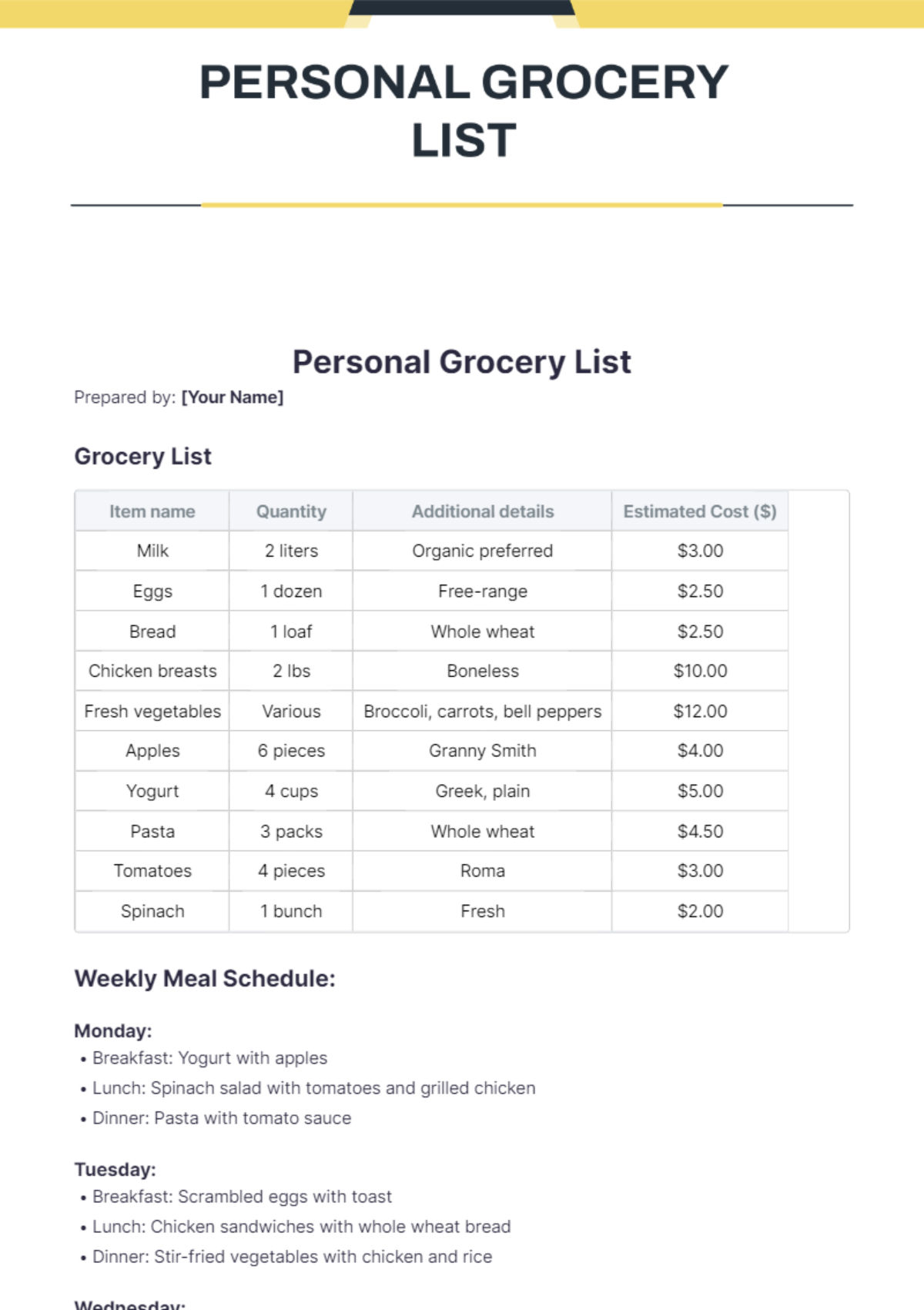
Free Ingredients List Template to Edit Online
Cute To Do List Template Printable
Cute To Do List Template Printable